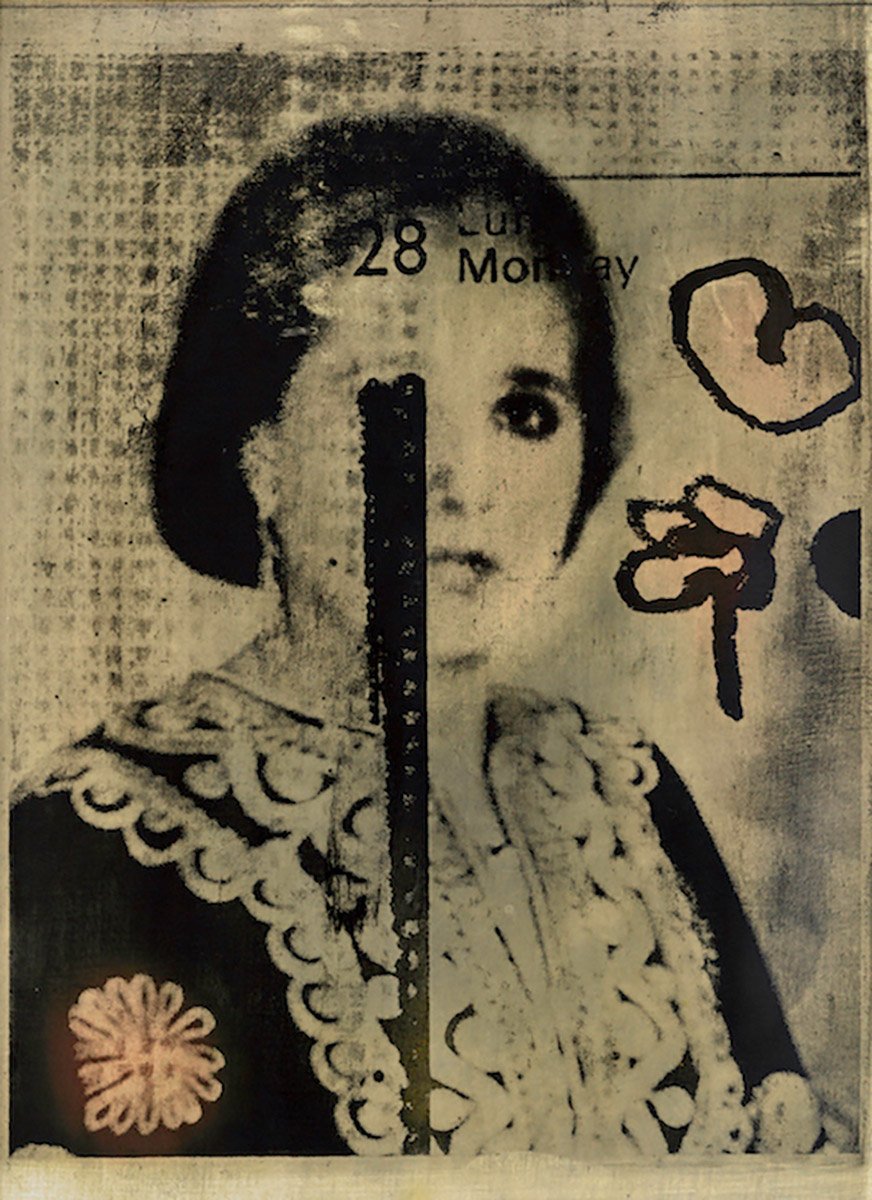
MY MOTHER’S TENDER SCRIPT
2023 - 2026/ONGOING
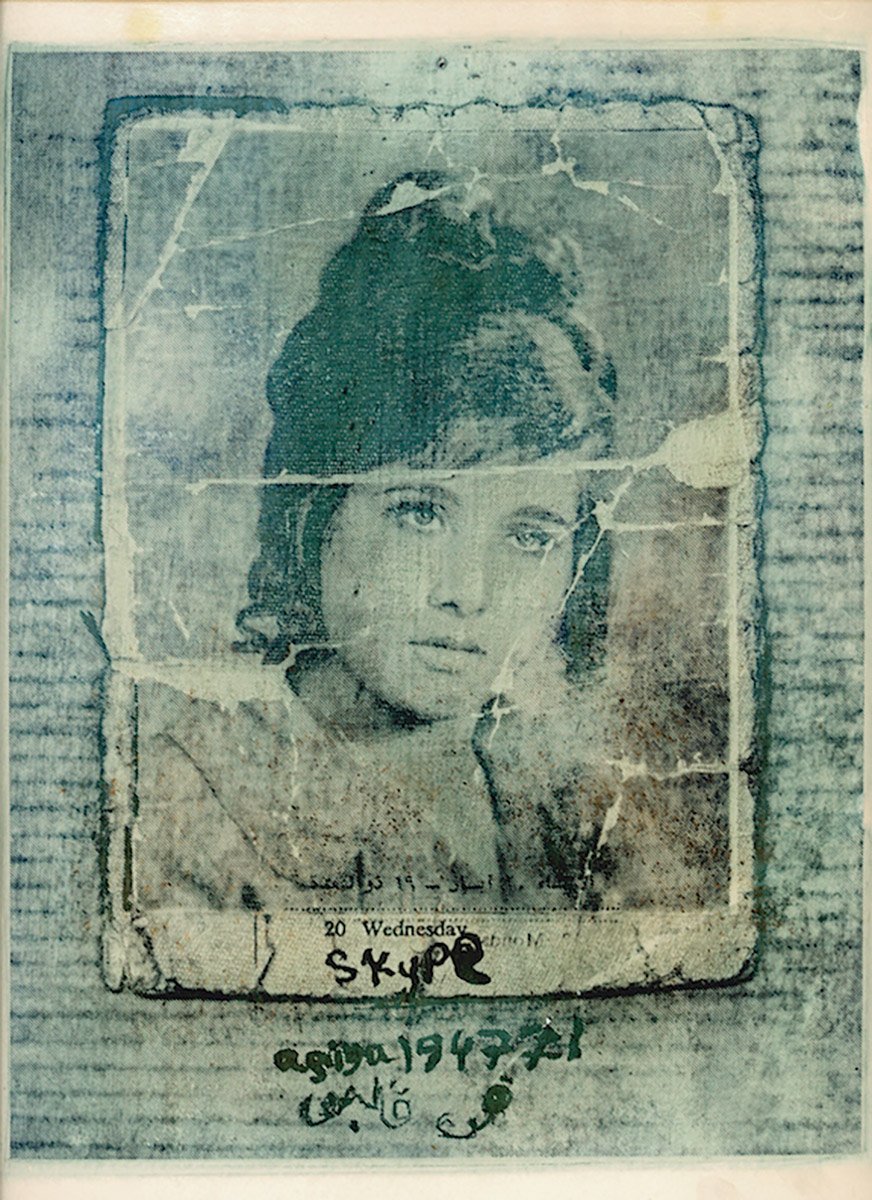
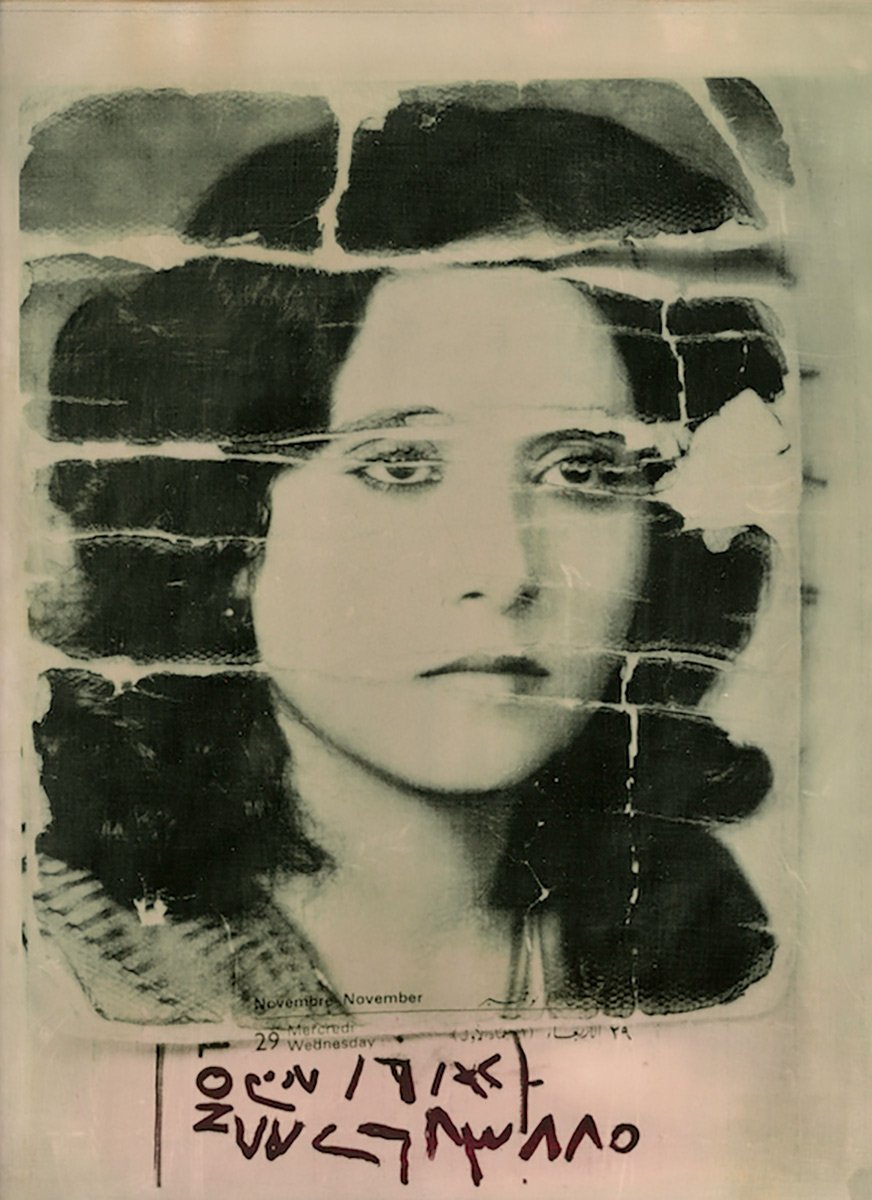
is an ongoing series dedicated to preserving the stories of Middle Eastern women, especially those whose lives were shaped and constrained by social expectations. At its center is my mother — her presence, her image, and her voice — both as an individual and as a reflection of many women like her.
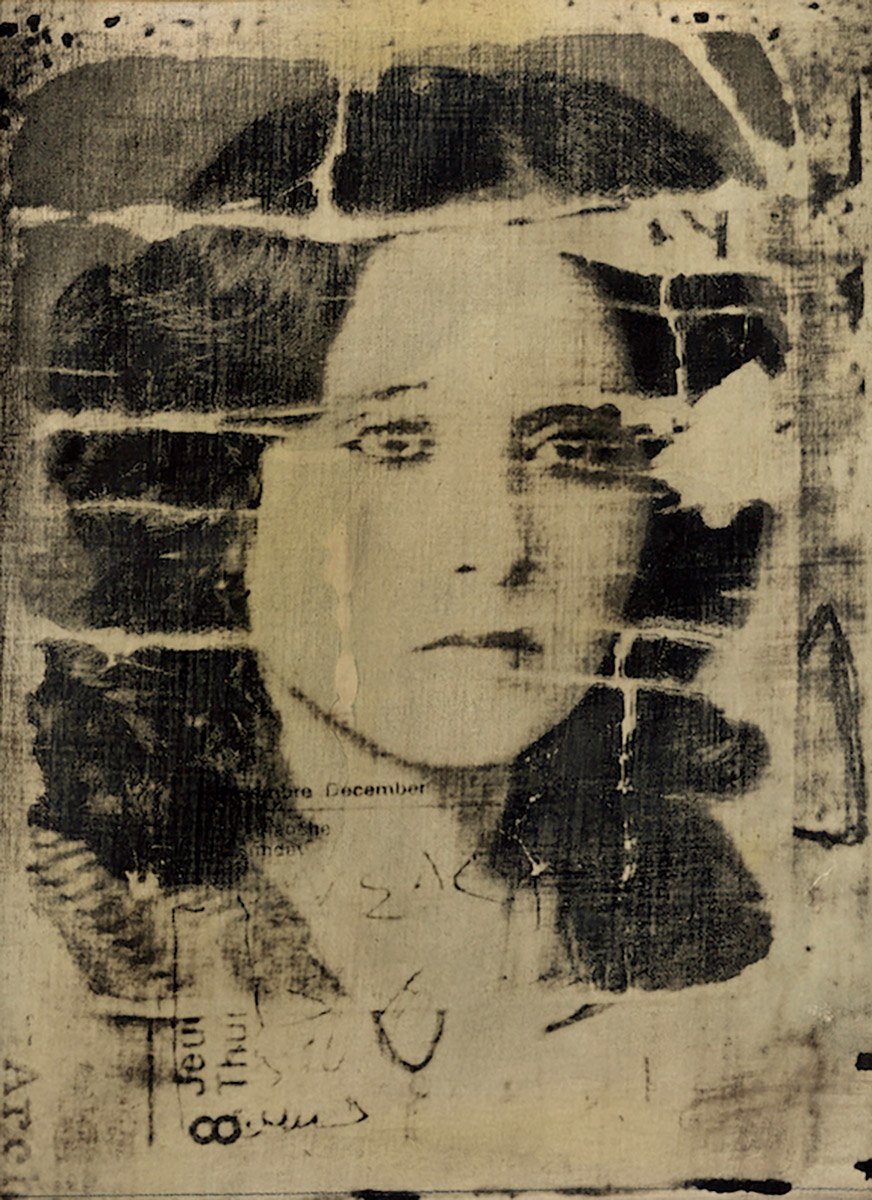
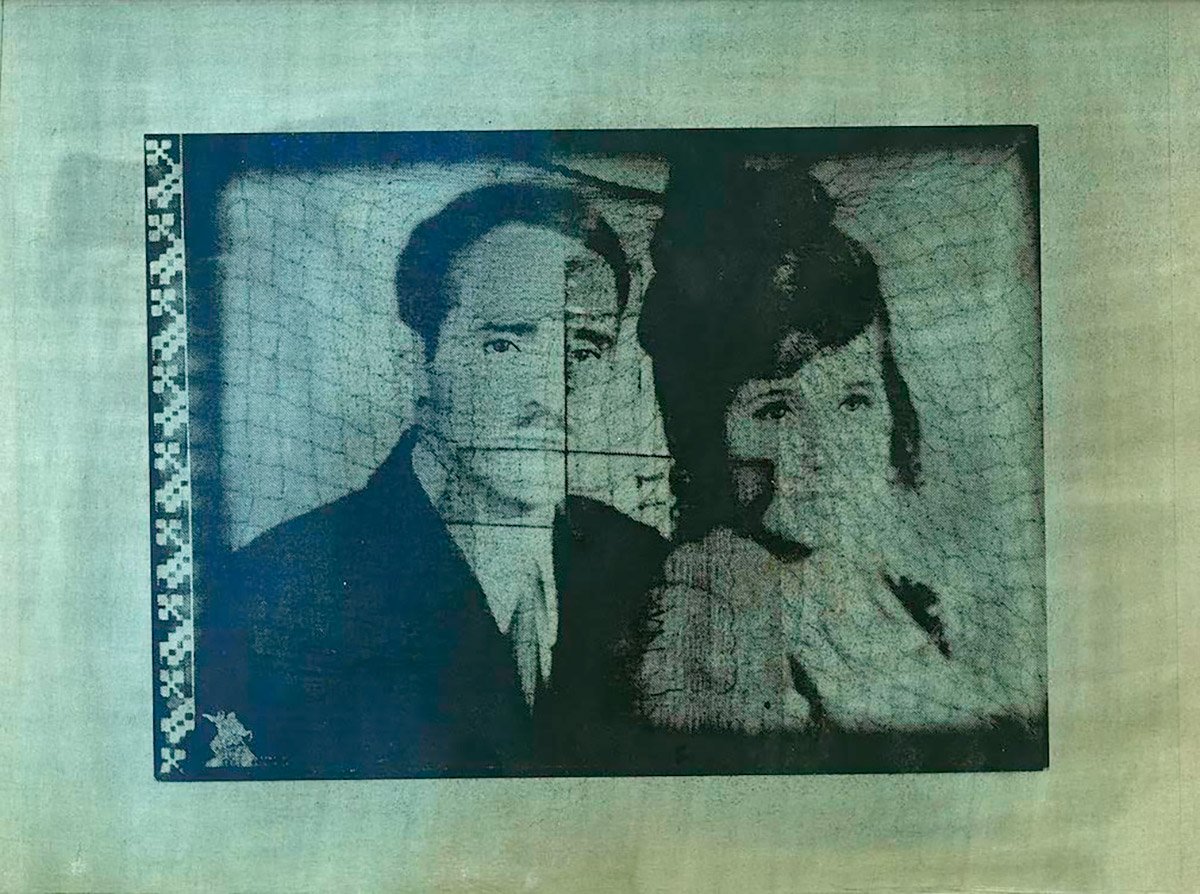
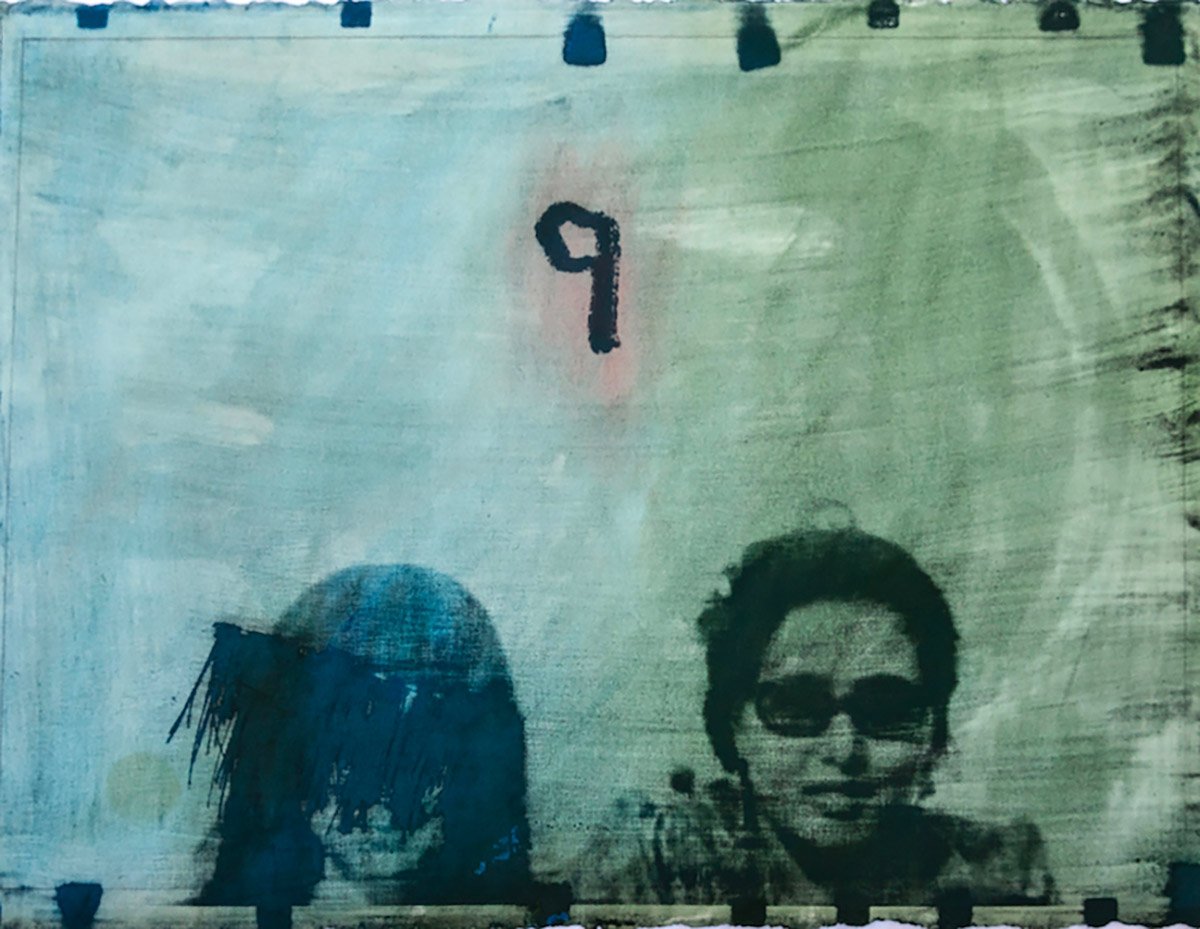
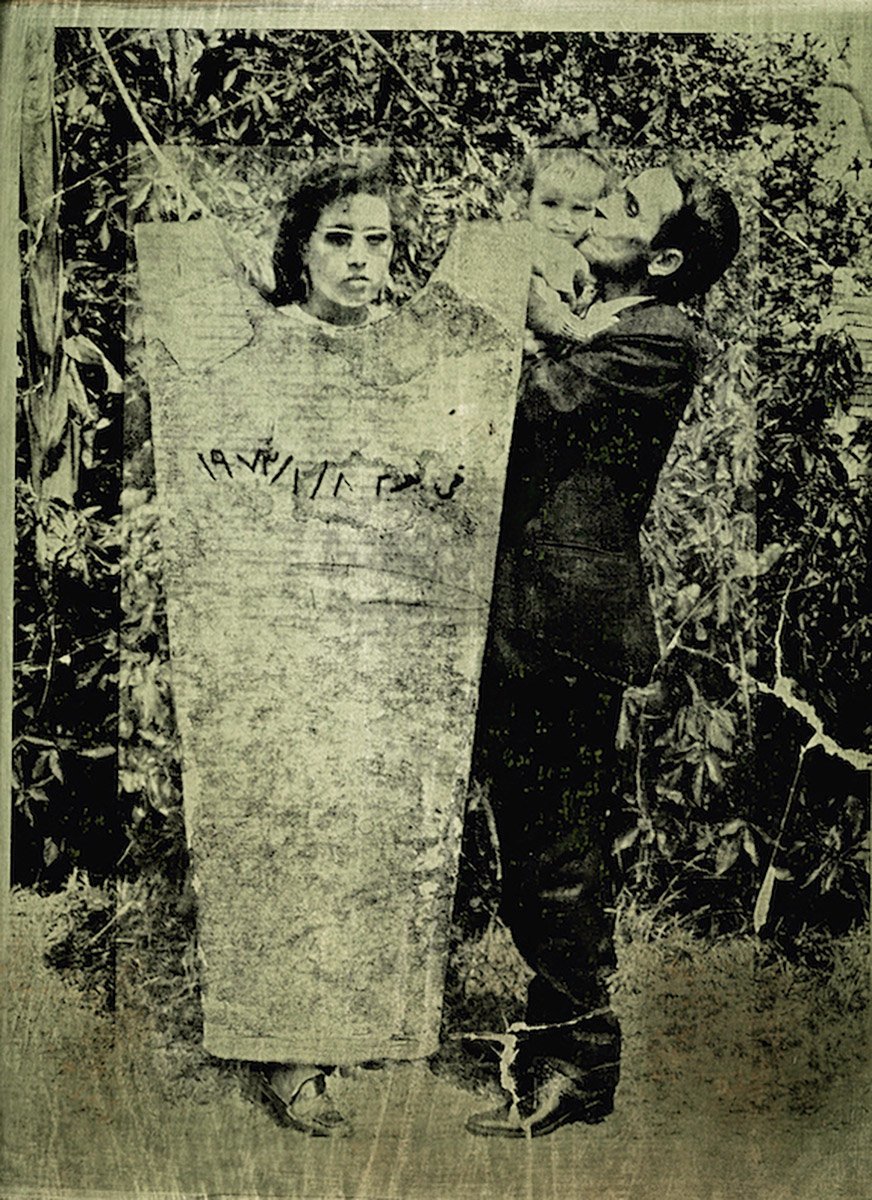
Despite early marriage and limited access to formal education, my mother carried herself with quiet determination. She dressed fashionably, visited photography studios, and ensured her image was documented in shared moments with my father and friends. In a life where many women were expected to remain unseen, she insisted on being visible.
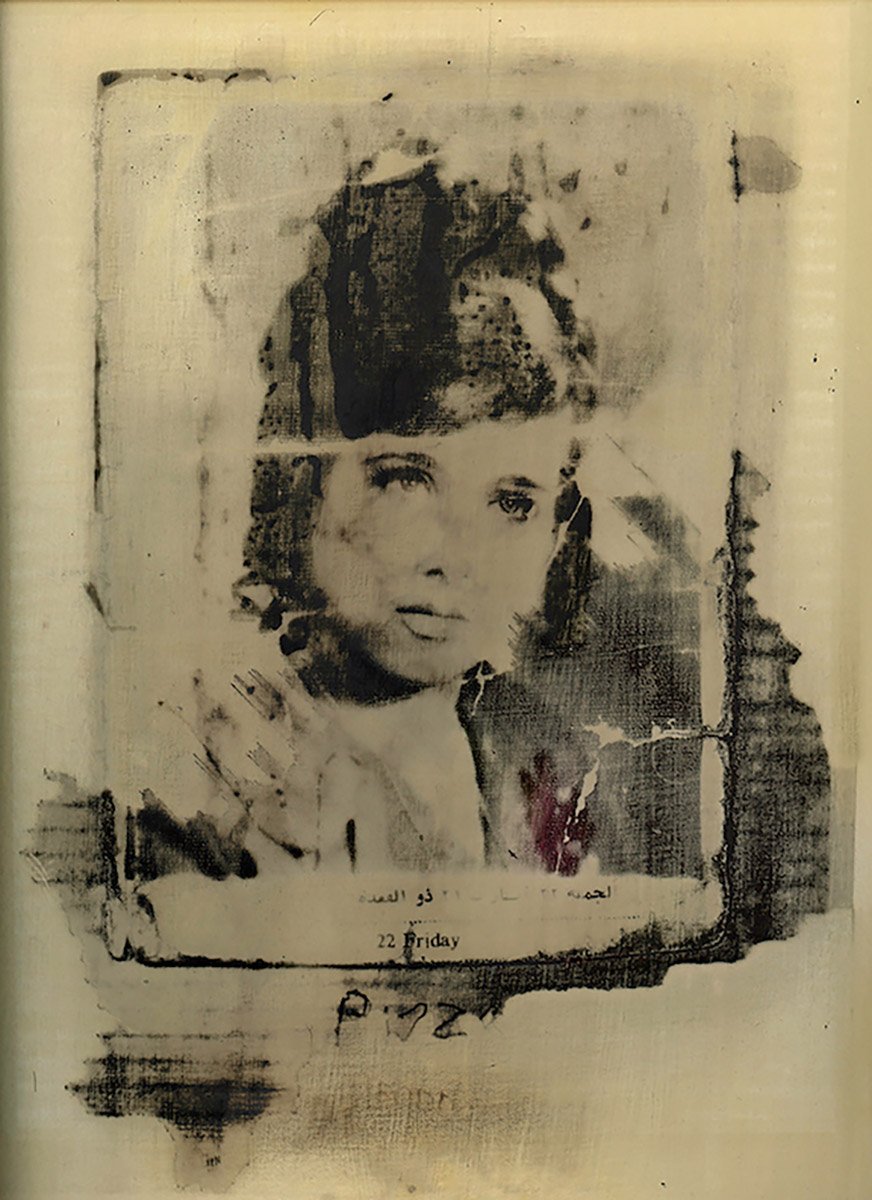
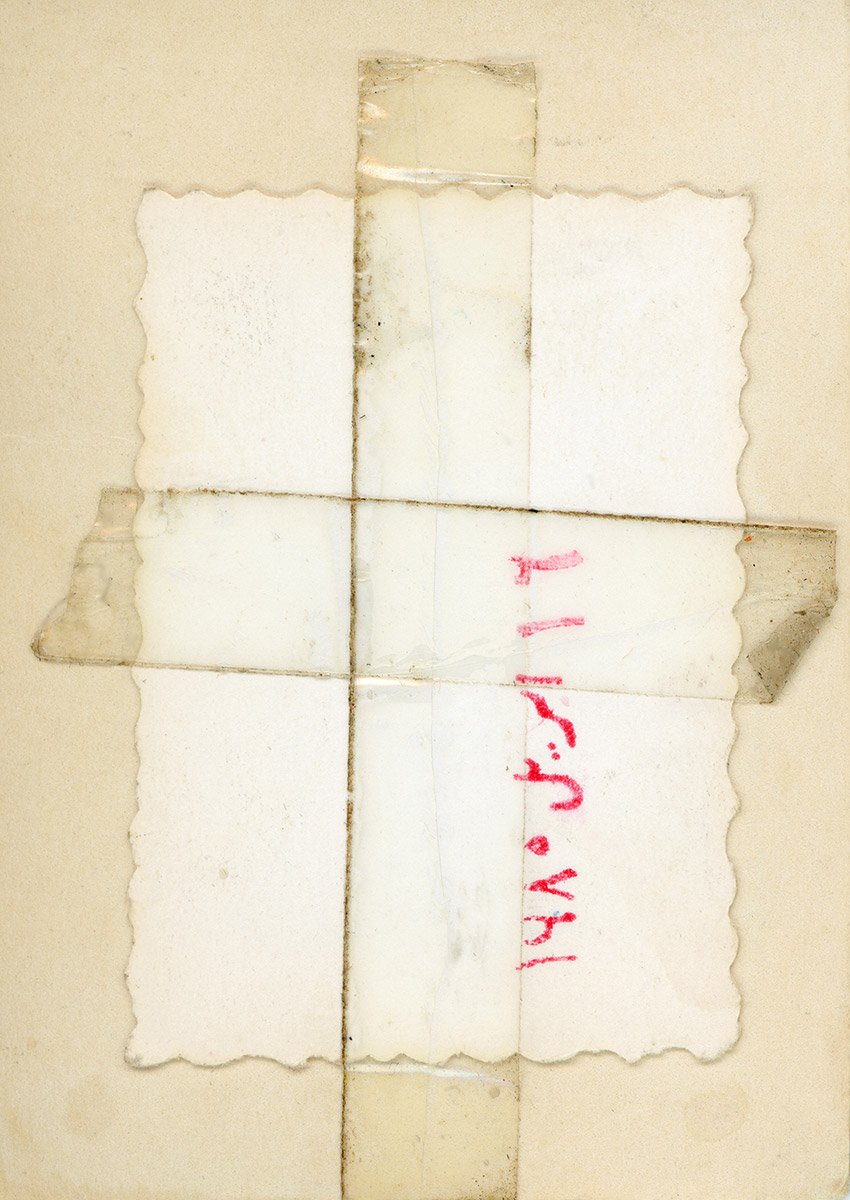
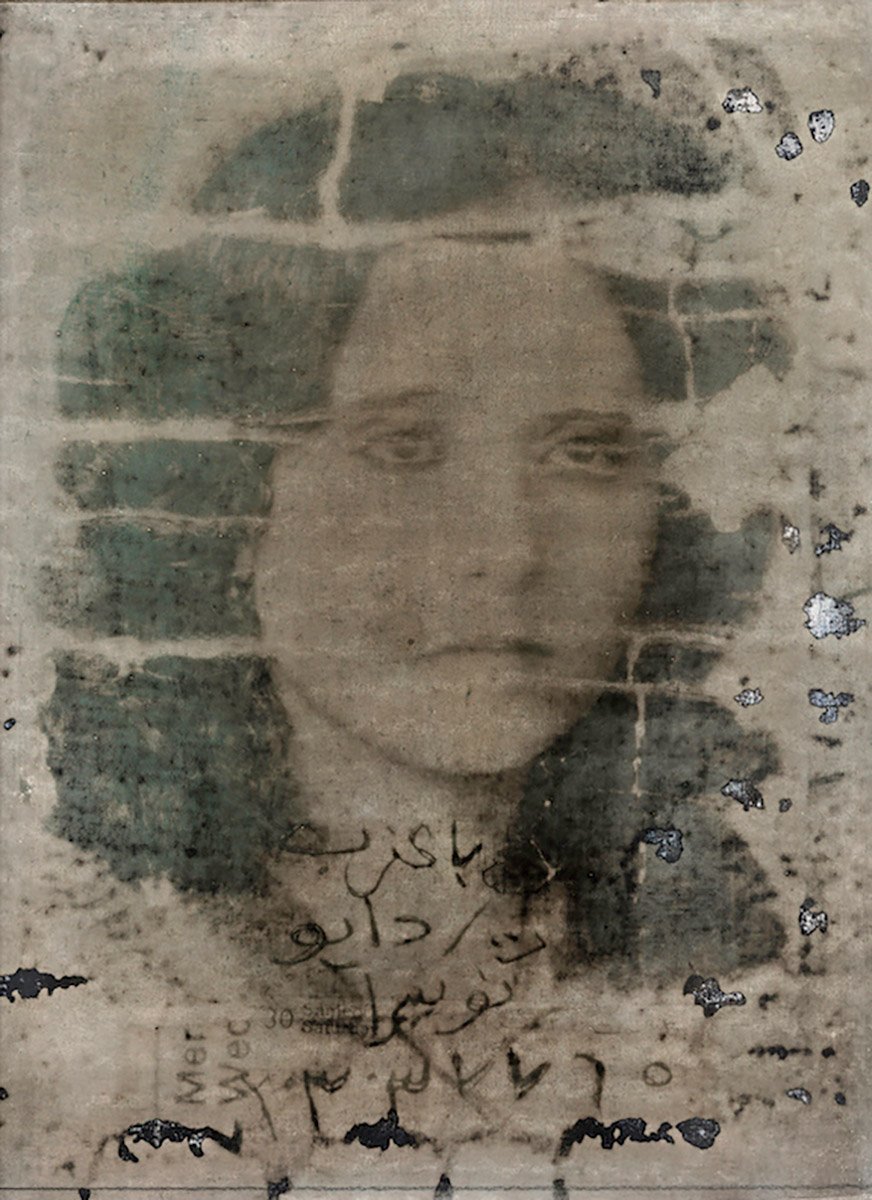
Her address book became her private sanctuary. Within it, she carefully recorded names, numbers, and fragments of thoughts. Though she was denied formal education, she created her own system of preservation — rewriting words to remember them. The address book became her archive, her way of holding onto the world.
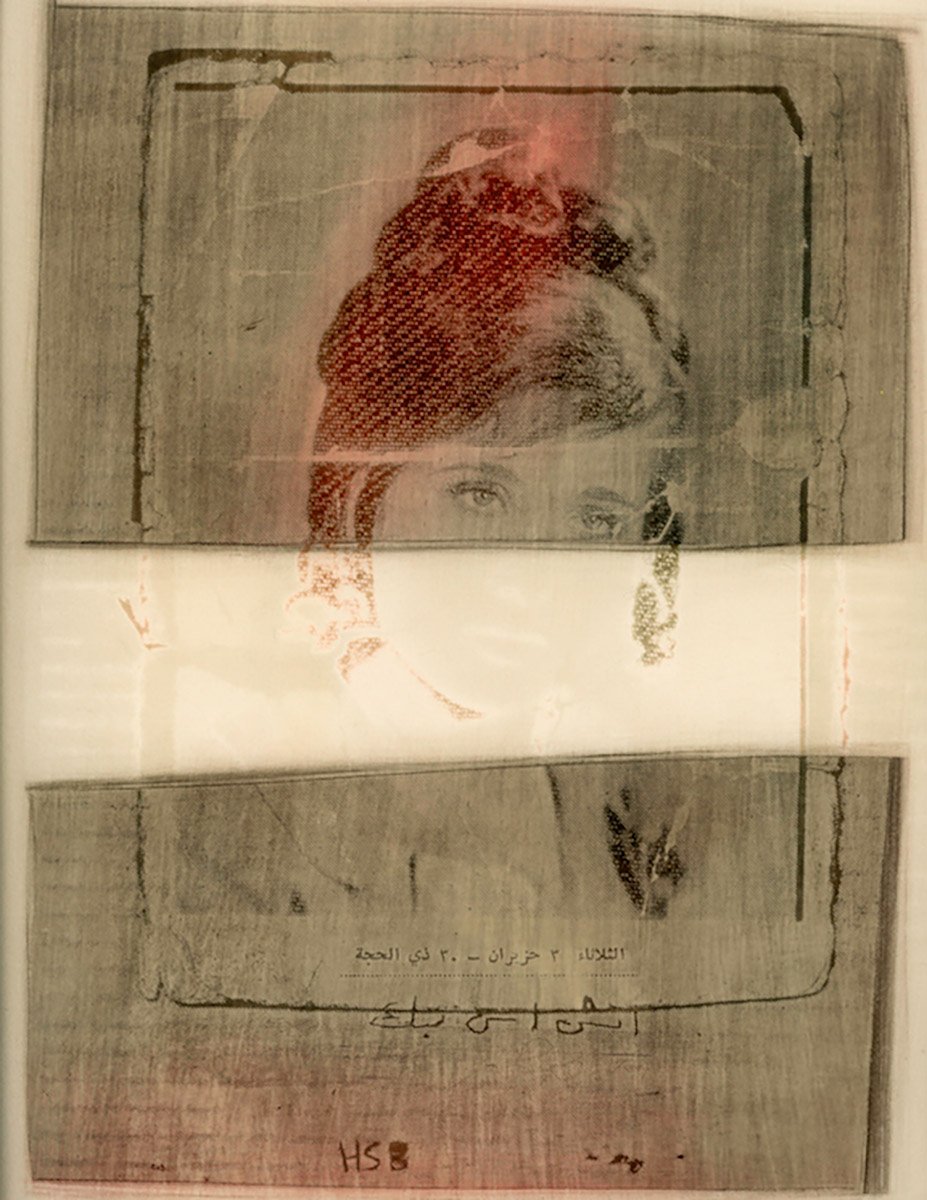
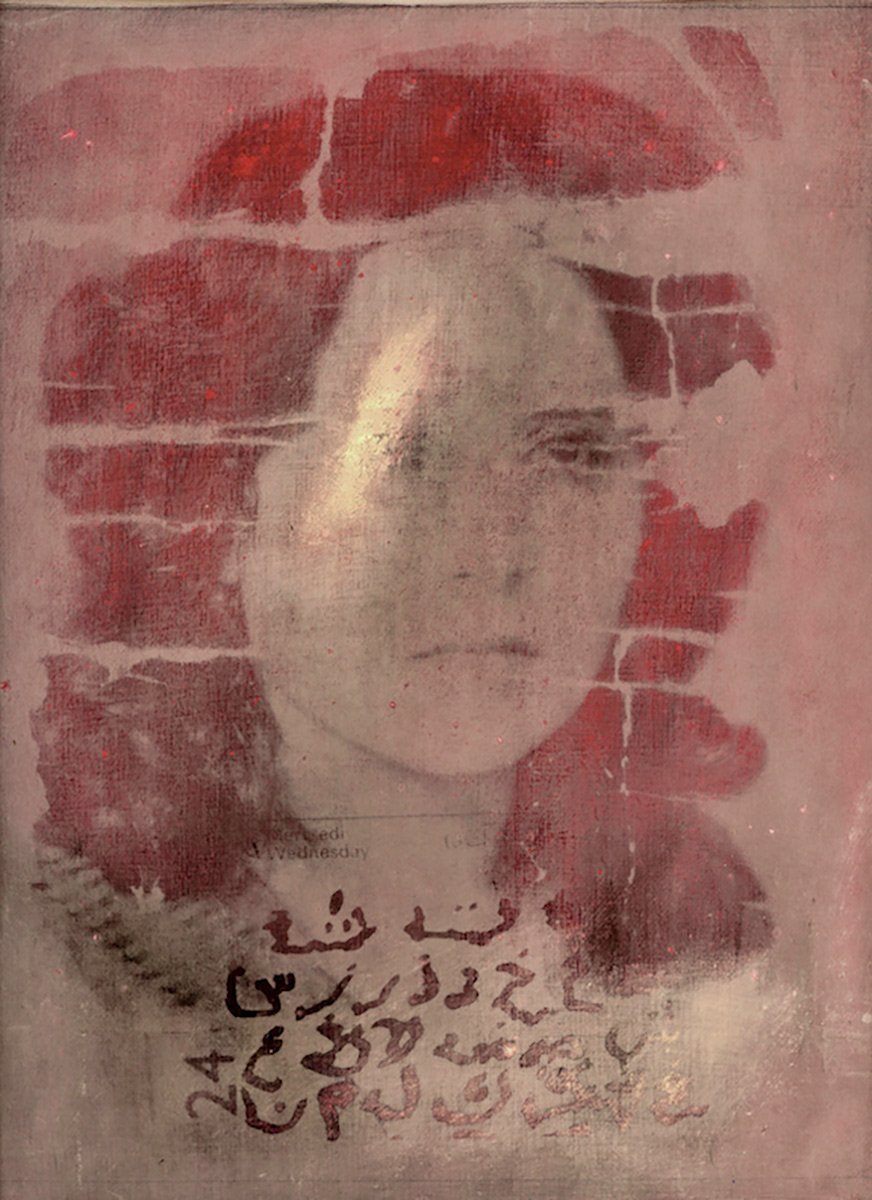
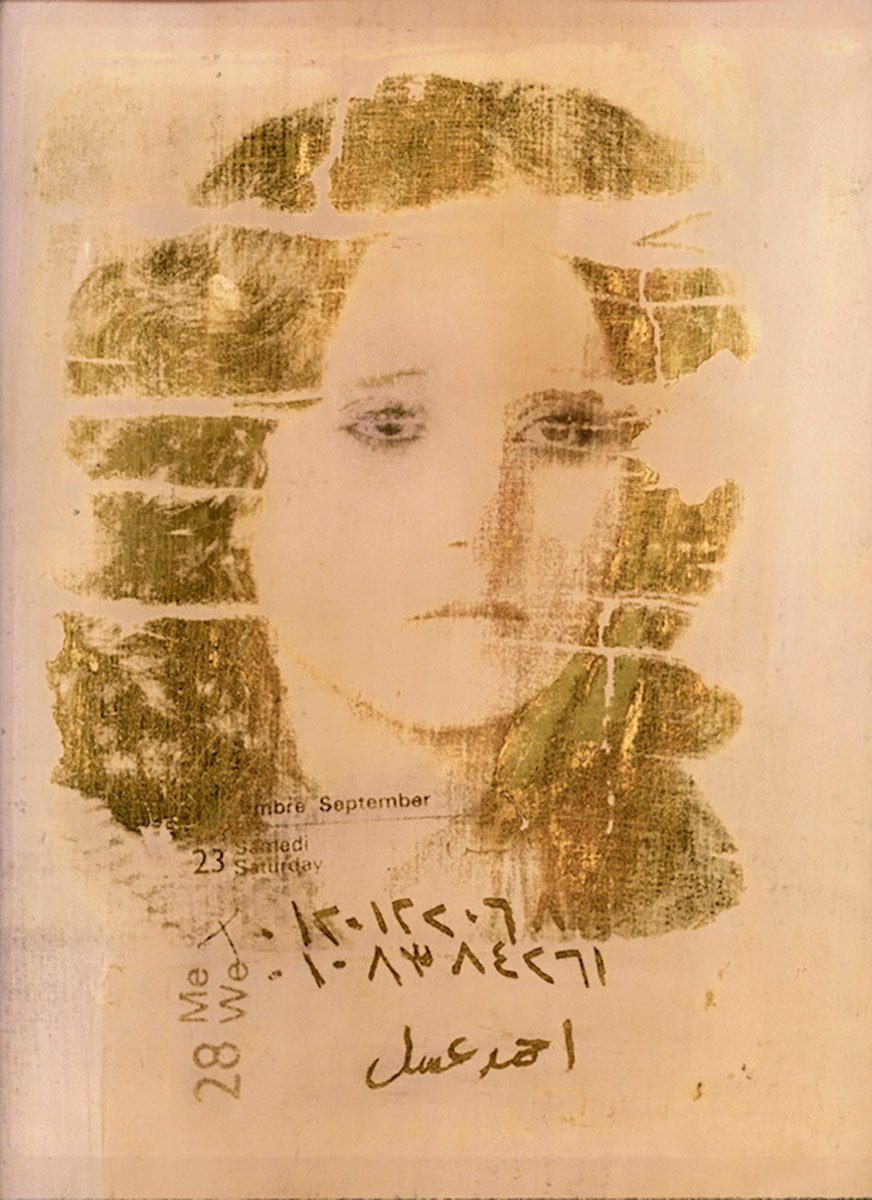
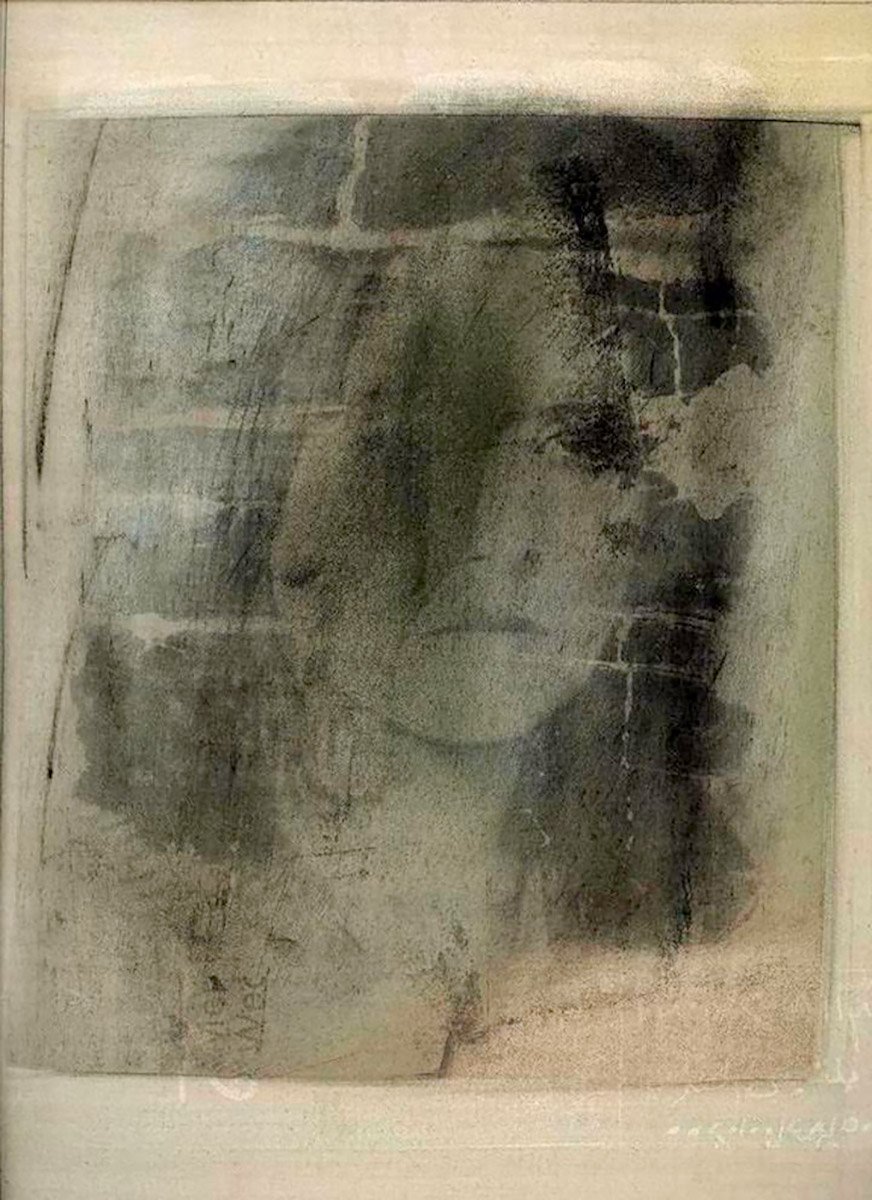
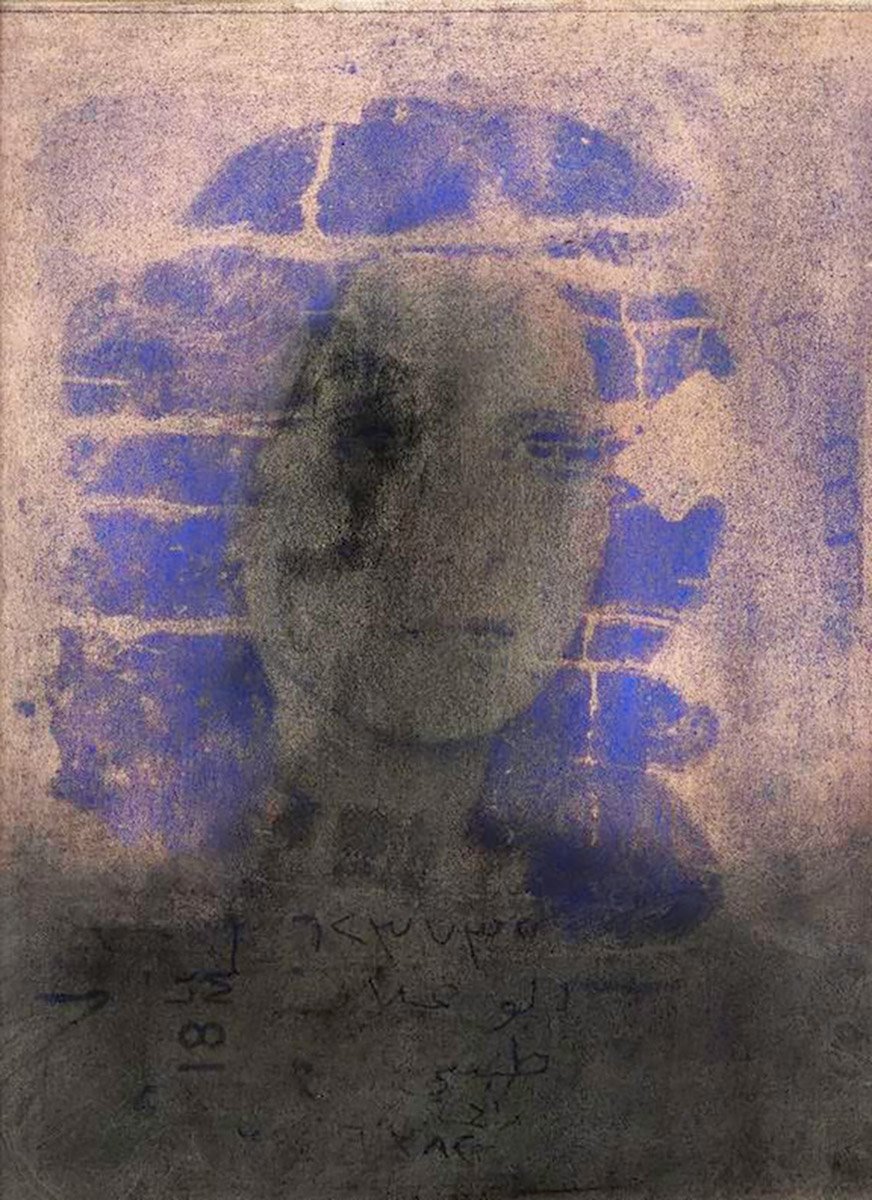
Using the Resino-Pigmentype process, inspired by Alphonse Poitevin’s nineteenth-century photographic experiments, I transform her portraits into enlarged digital negatives and hand-coat watercolor paper with light-sensitive gelatin. Through exposure, washing, and the brushing of dry pigments into the surface, her handwritten notes and drawings merge with her image. Each print becomes tactile, layered, and physically altered — mirroring the fragility and persistence of memory.

Inspired both by Andy Warhol’s repetition of Marilyn Monroe and by my mother’s own habit of rewriting words to etch them into memory, I repeat her portrait throughout the series. Each variation highlights different fragments of her script, allowing pigment and surface to shift while her presence remains constant. Repetition becomes an act of devotion — a refusal to let her disappear.
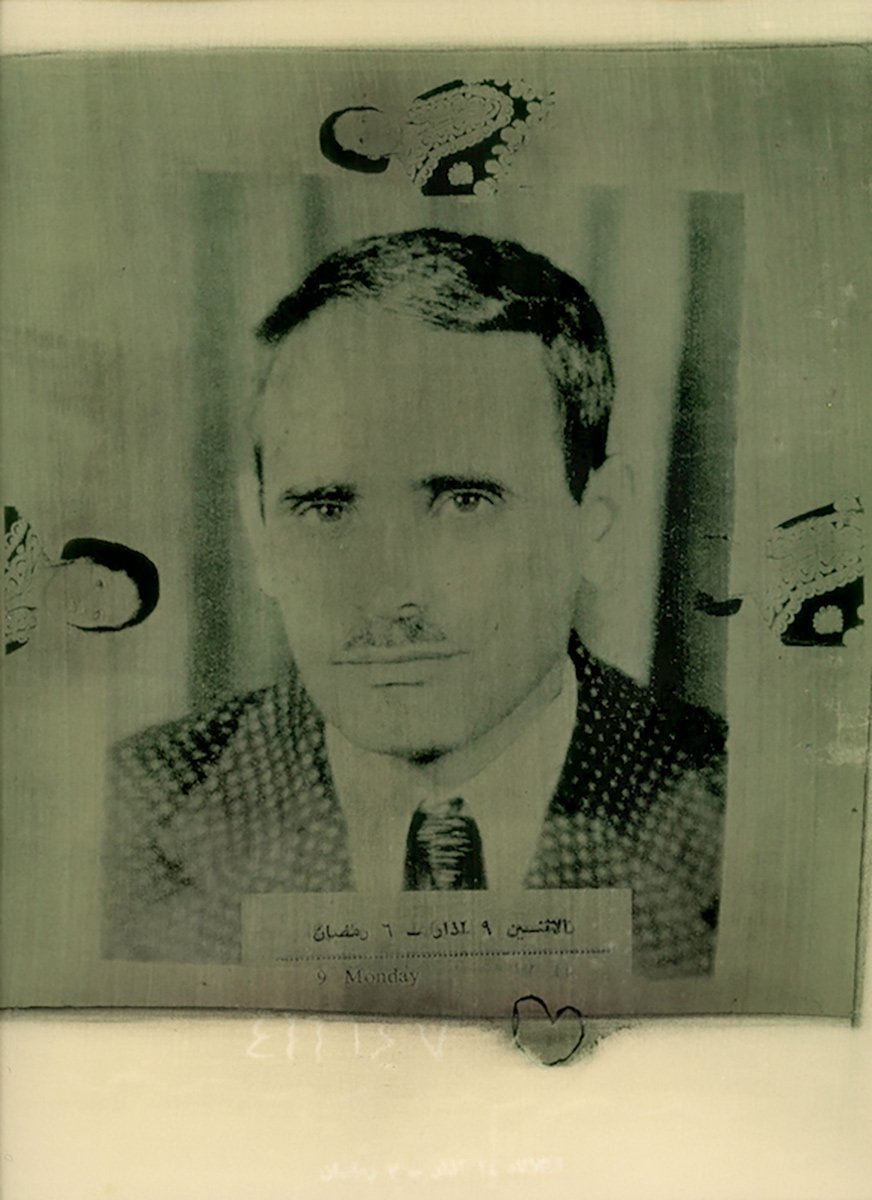
My father, an educated writer and journalist, lived in a world shaped by language and publication. My mother’s world was different — quieter, undocumented. Yet she sought connection between those worlds. Her address book bridged that divide, holding her voice beside his. Through this series, I attempt to extend that bridge — preserving not only her image, but the dignity and resilience embedded in her script.
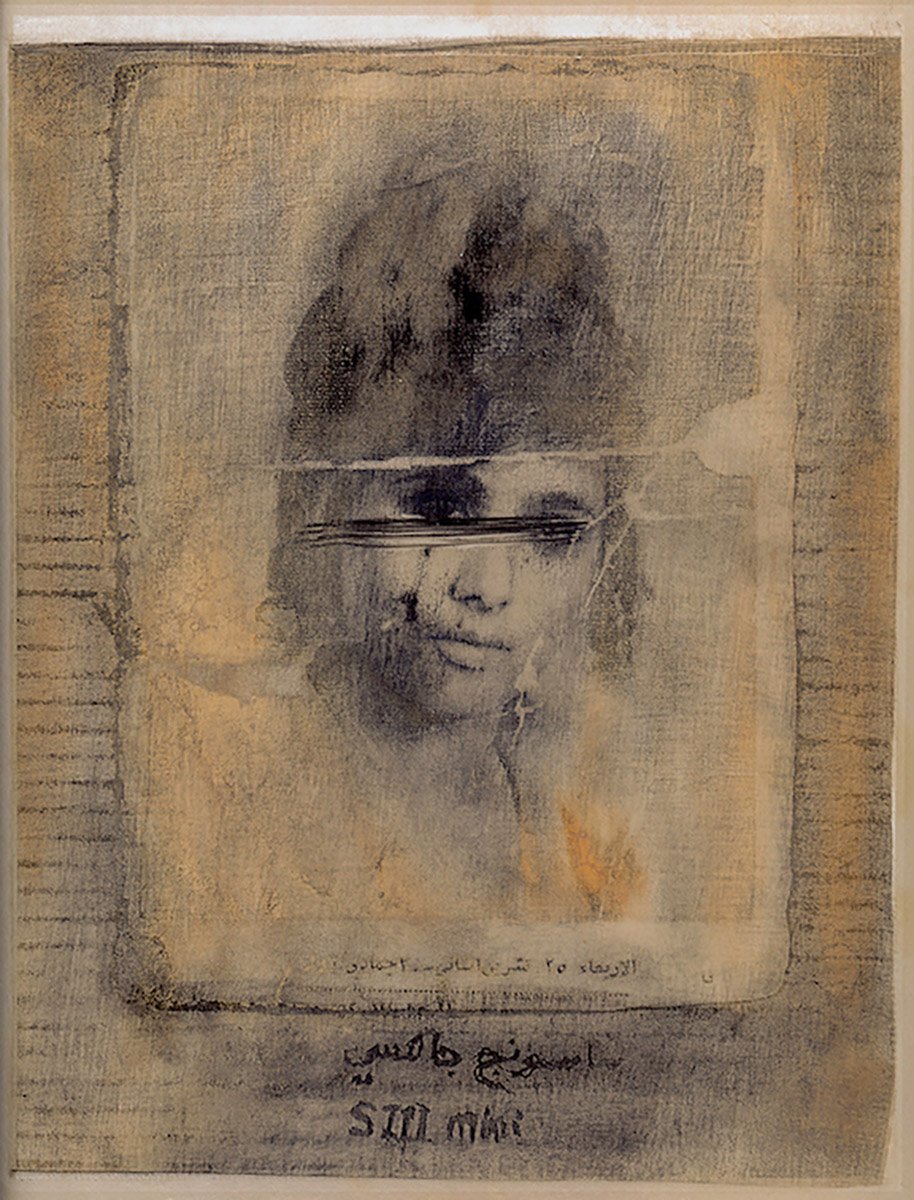
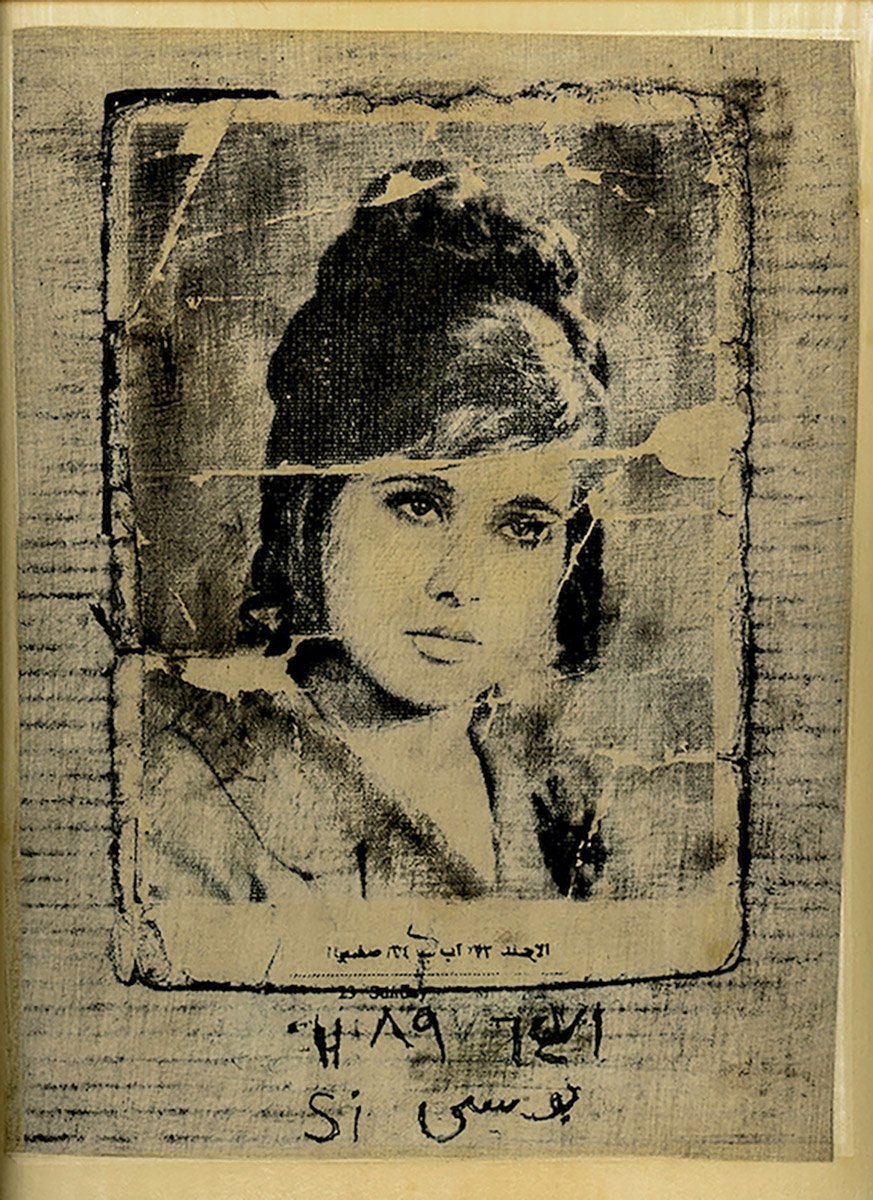
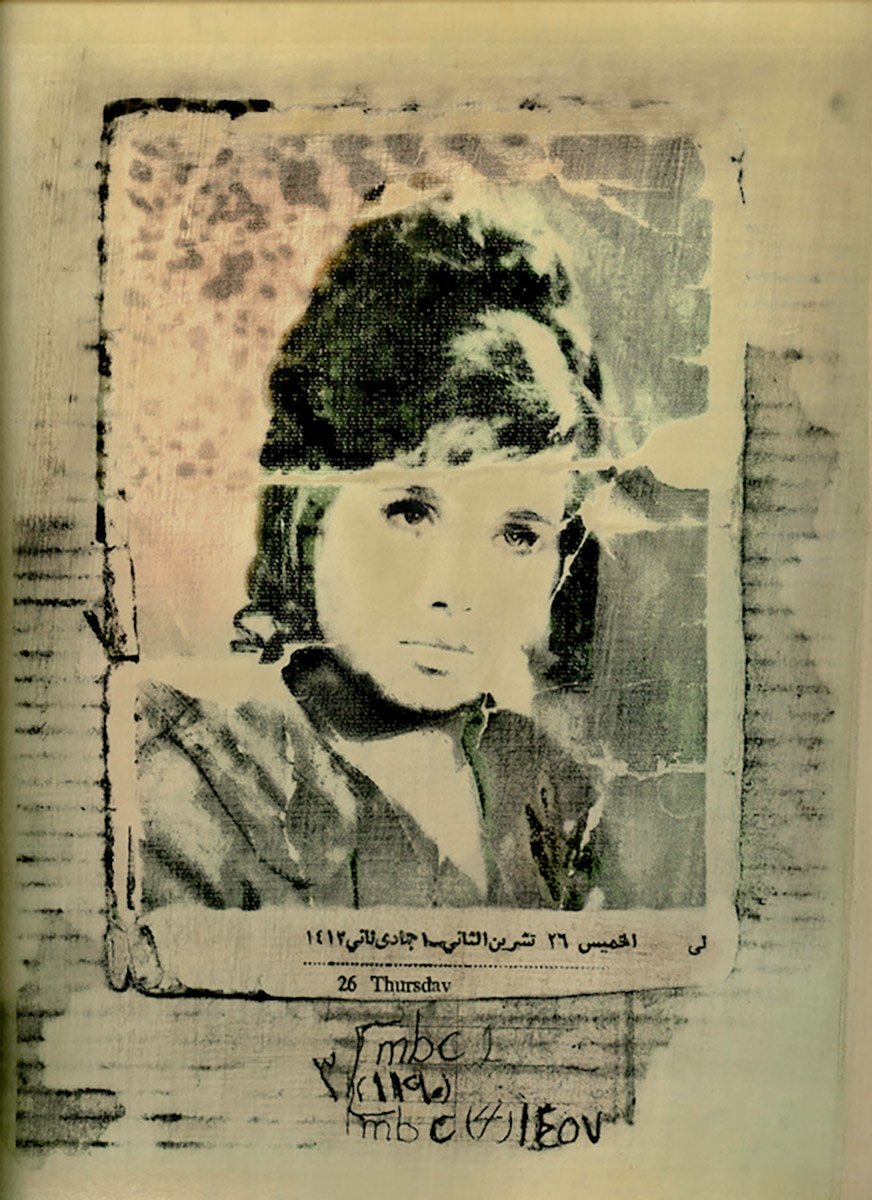
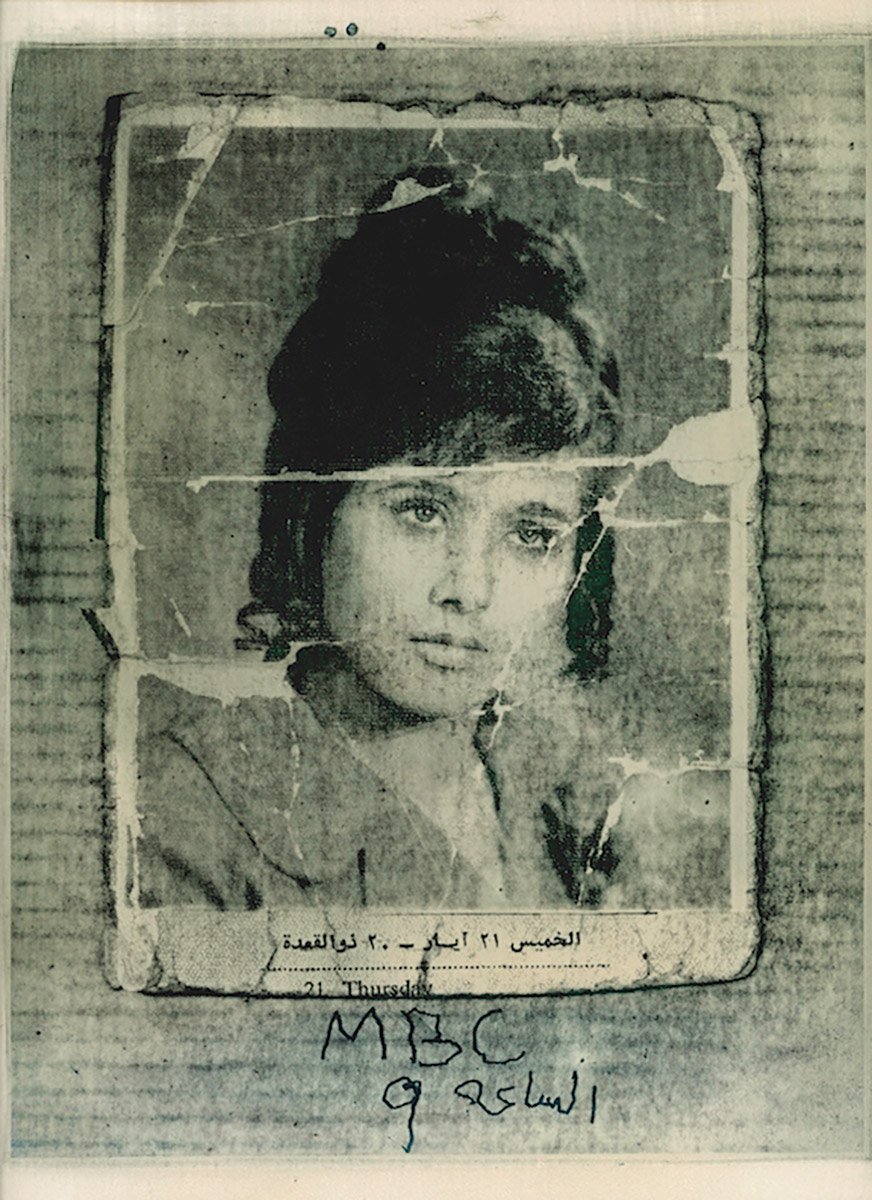
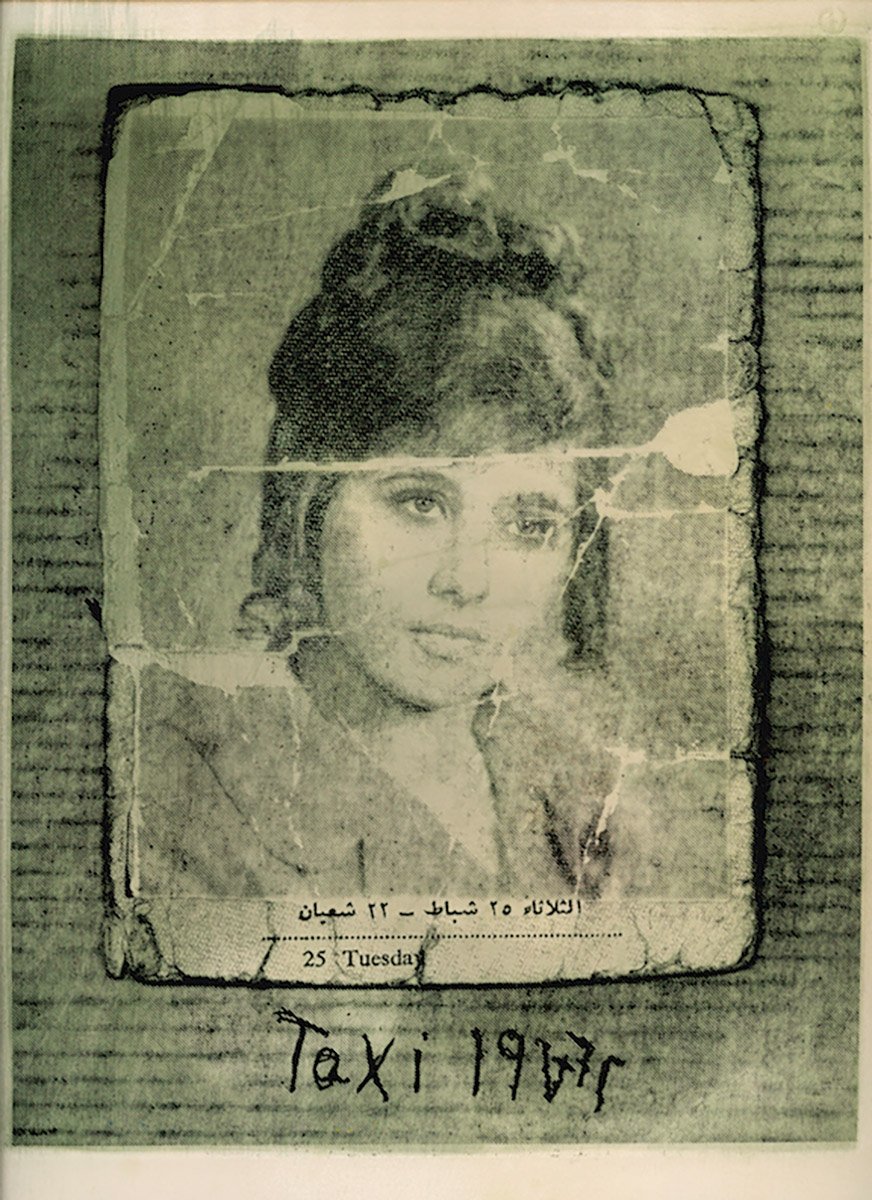
Despite her illiteracy, her remarkable memory filled her bag with scraps bearing names and numbers.
I witnessed her transcribing new contacts into her phone notebook with care, etching them into memory through repetition. In a time before mobile phones in Yemen, her phone notebook was vital for daily life, from contacting neighbors, friends, and family to essential services like pharmacies, groceries, taxis, and TV channel episodes, along with their airtime.